BGE Engineering Science · Level 3–4 project
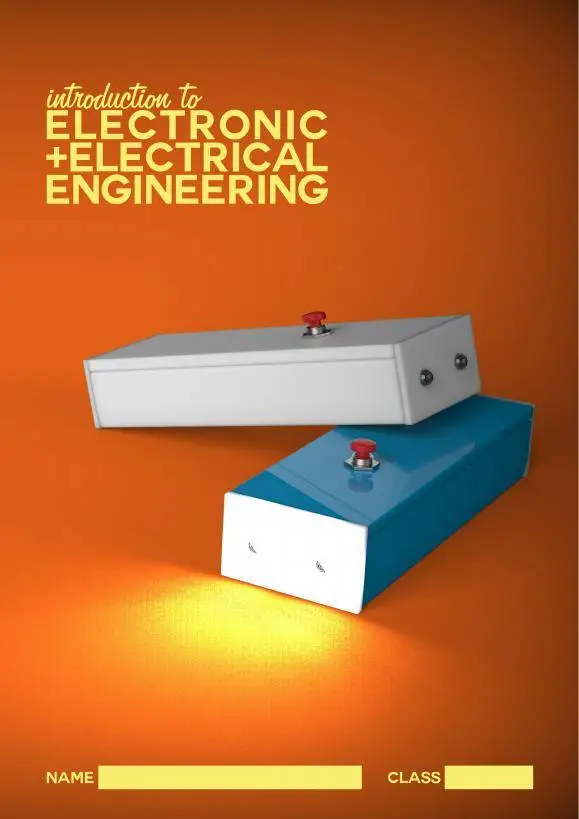
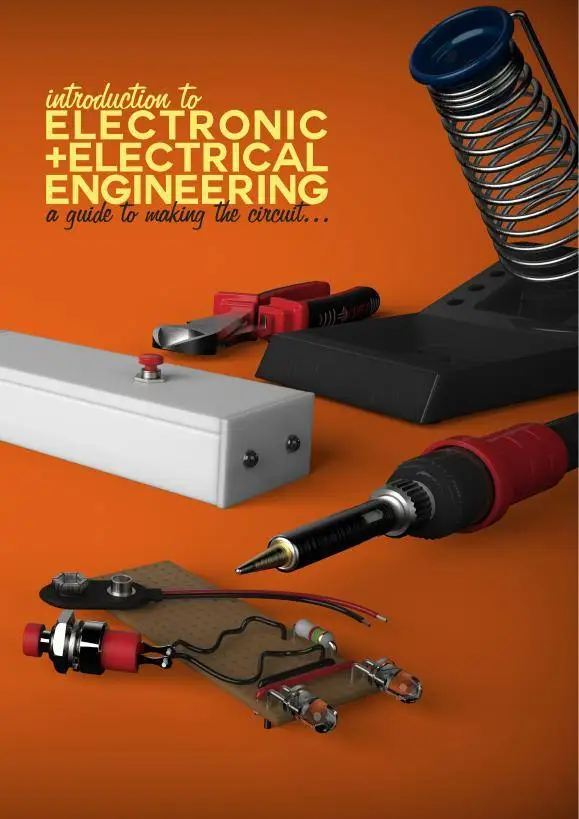
Where does electricity come from, and how does it get to your torch? Learn about energy, circuits and resistance, then solder a working torch from industrial components.

SCALE 1:1
BGEElectronics

SubjectEngineering Science
LevelBGE · Level 3–4
LicenceFree to copy, adapt, share
Sheet04.4 · BGE · Electronics
01Course notes
Start with the Electronic and Electrical Engineering course notes. When you reach the practical, follow the 16-step guide to solder your torch.
02Worksheets
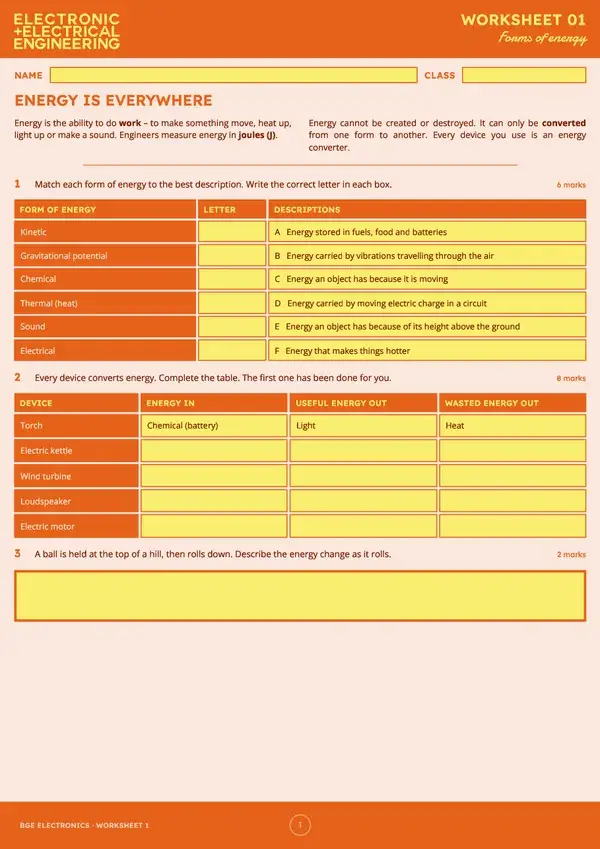
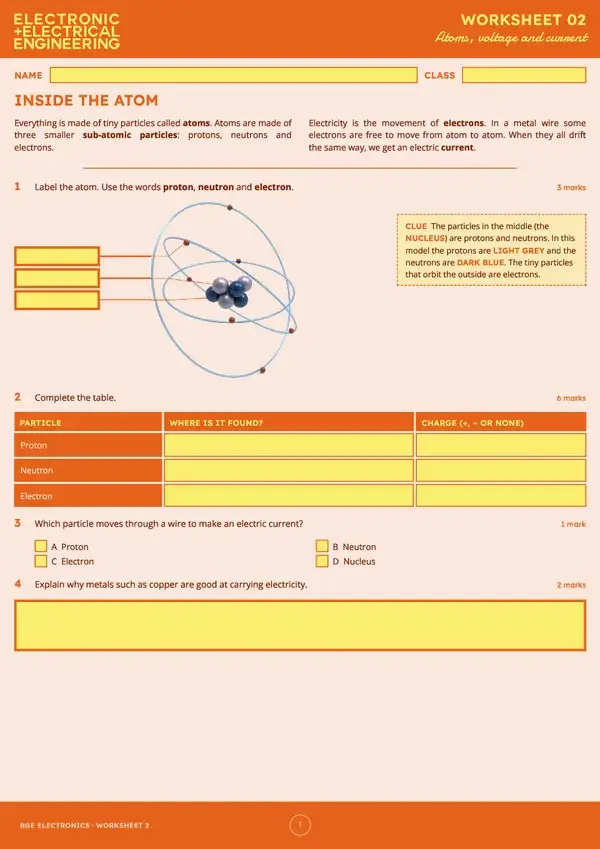
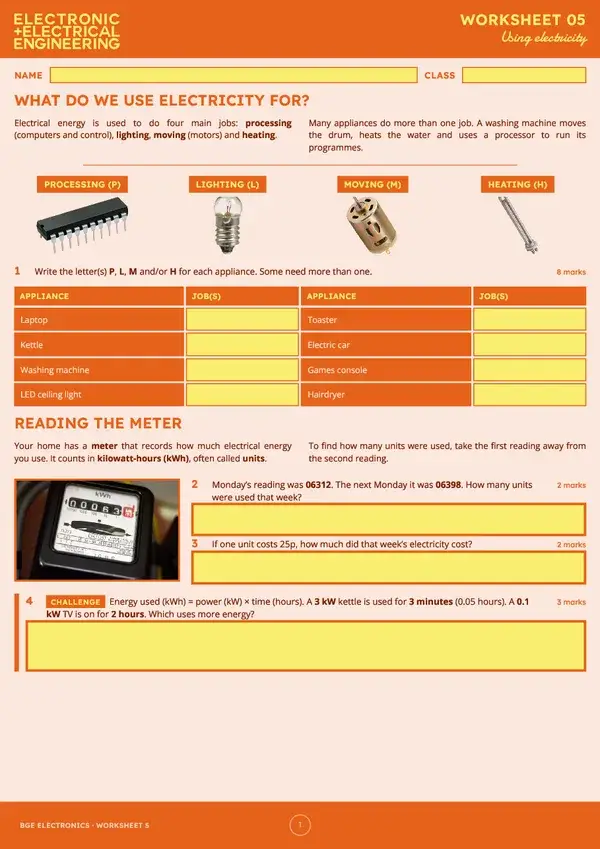
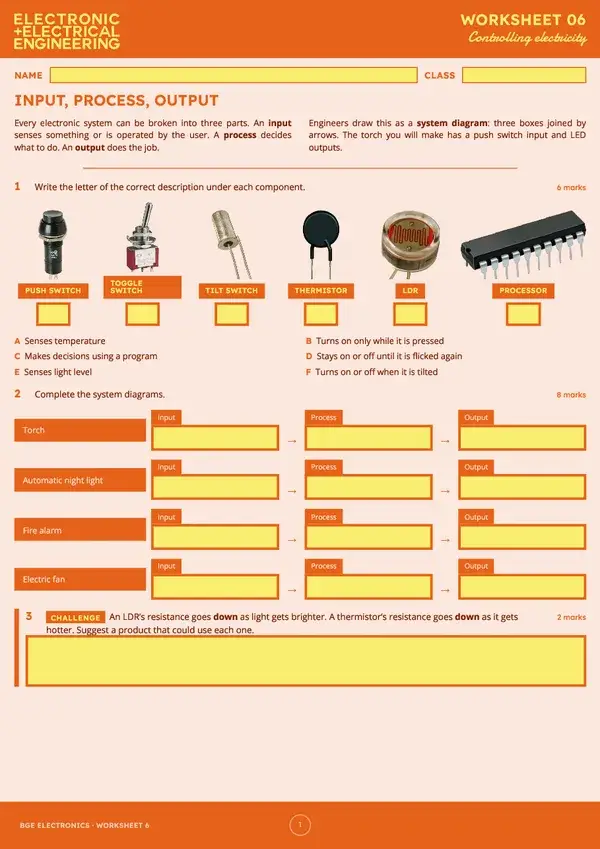
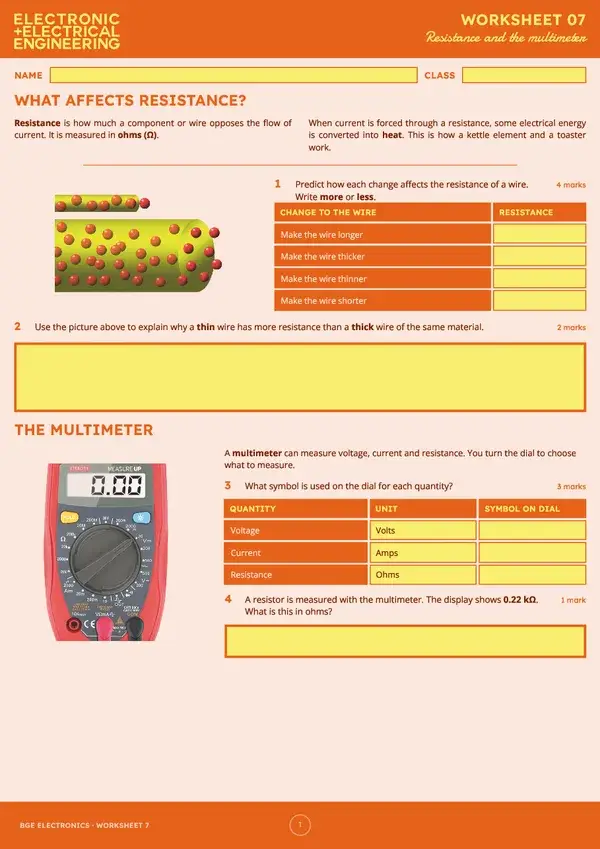
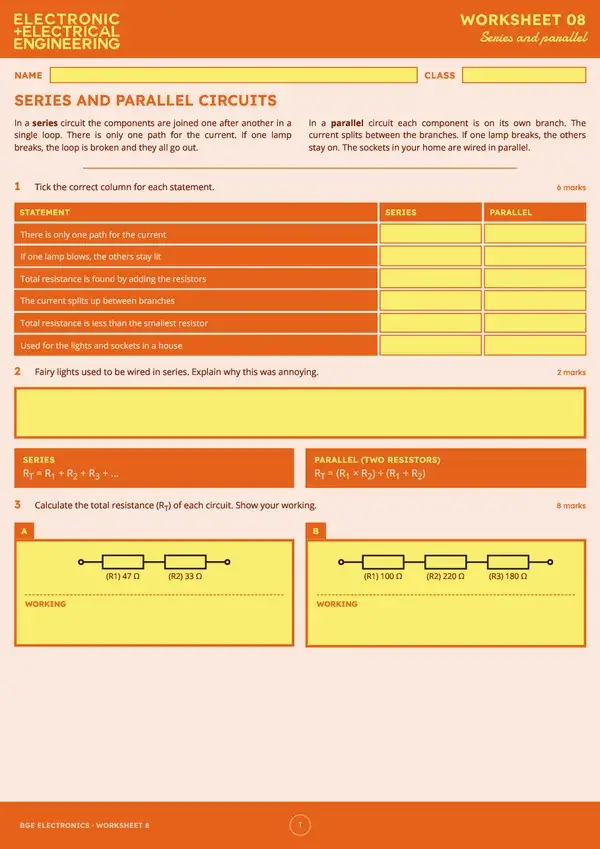
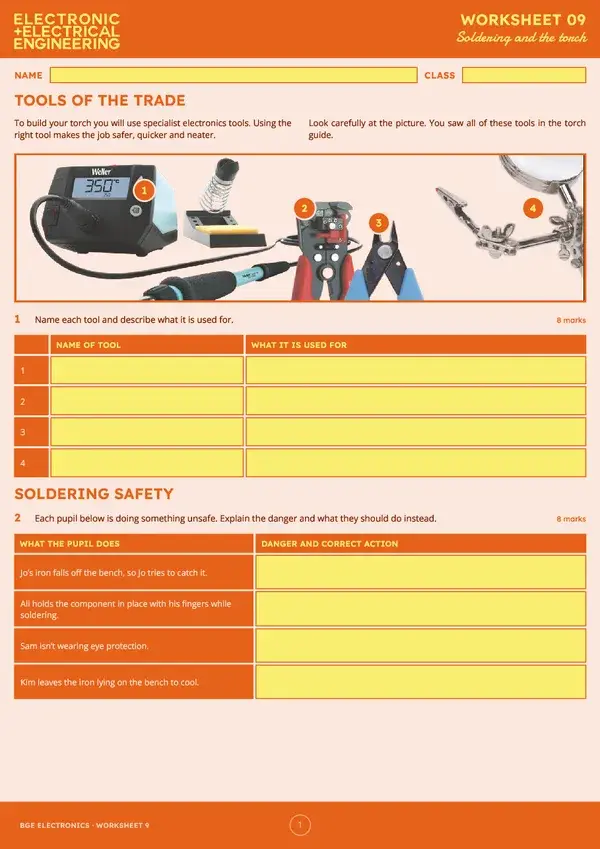
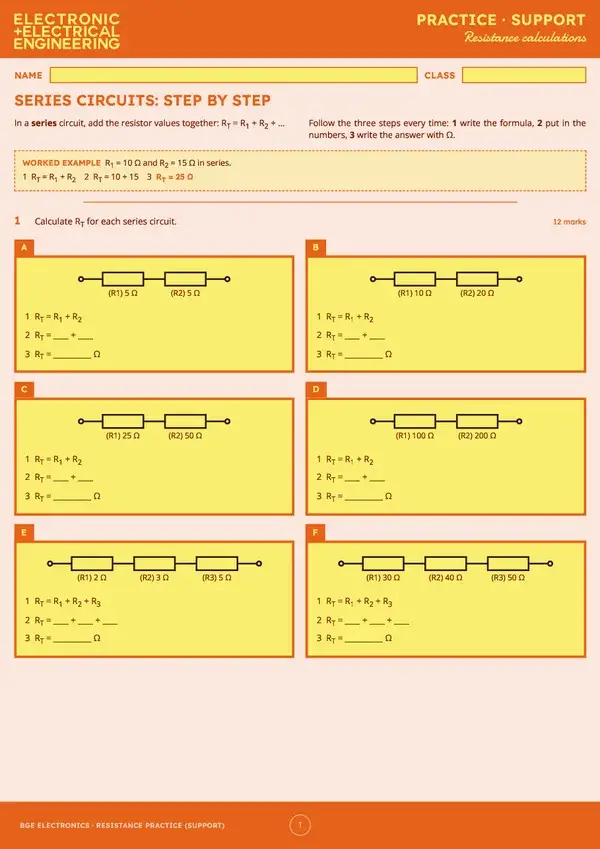
Nine worksheets, one for each topic in the course notes. Complete each worksheet in class after the lesson it matches.
03Homework
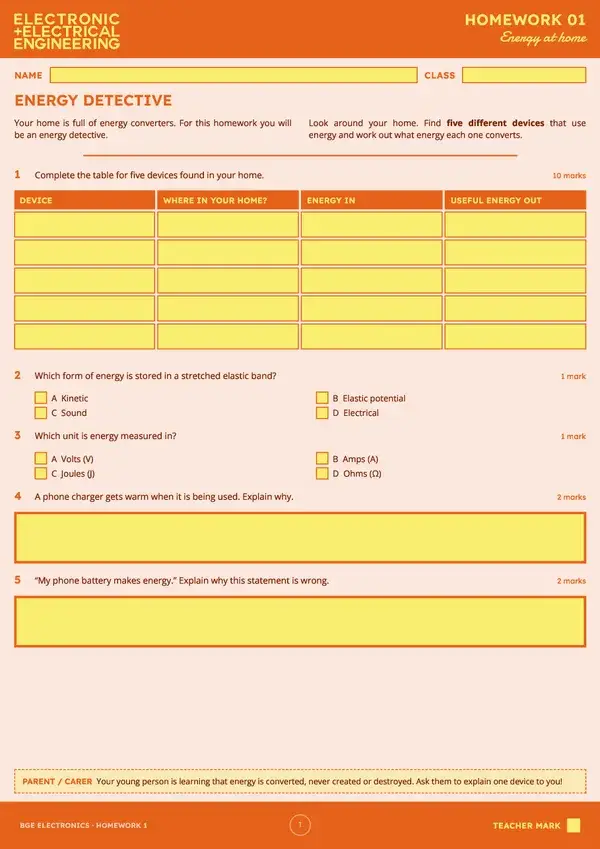
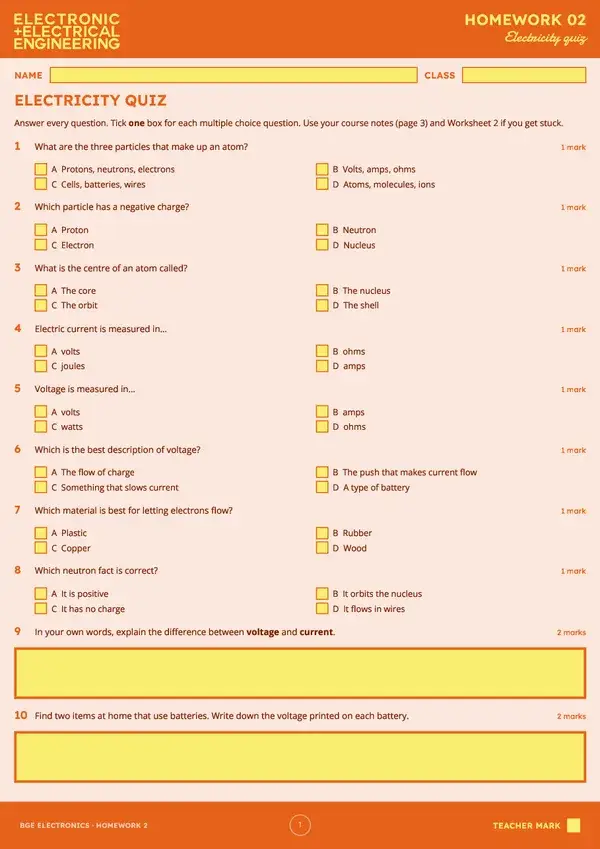
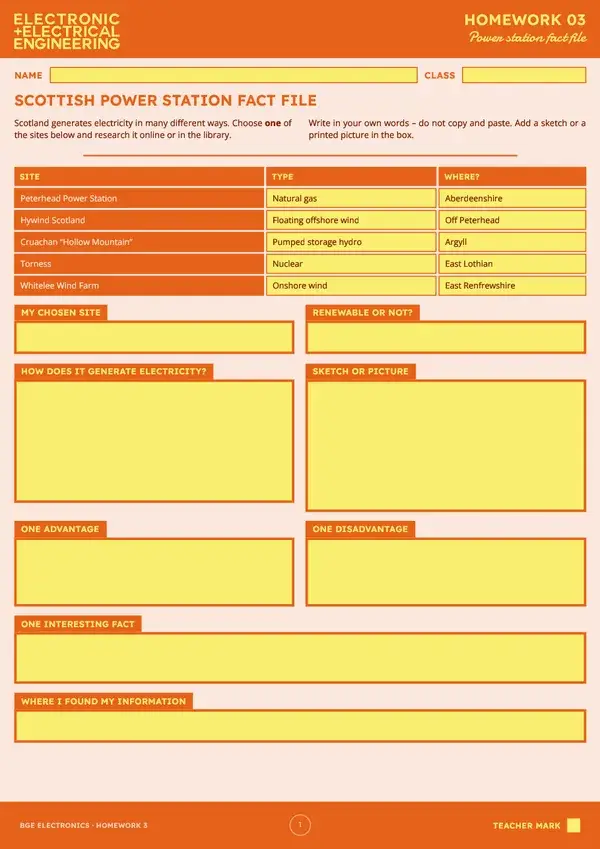
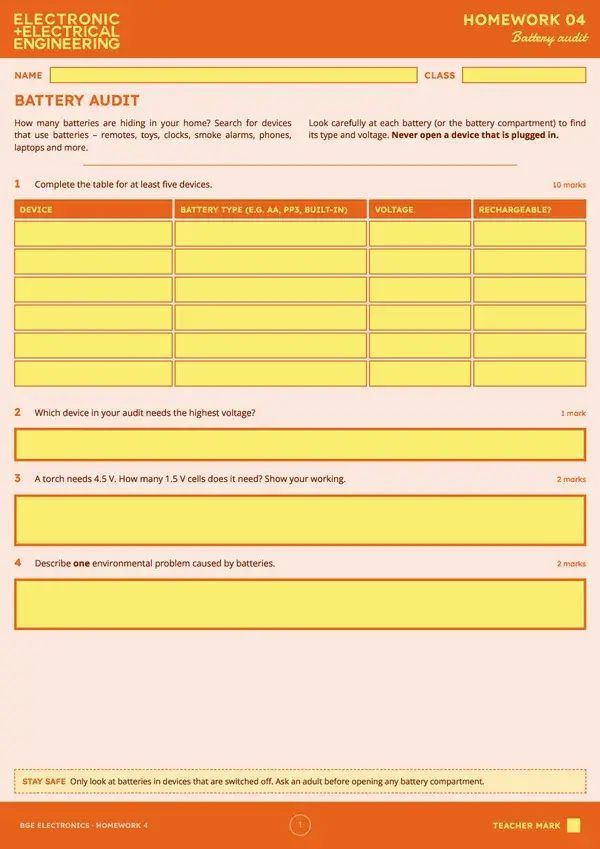
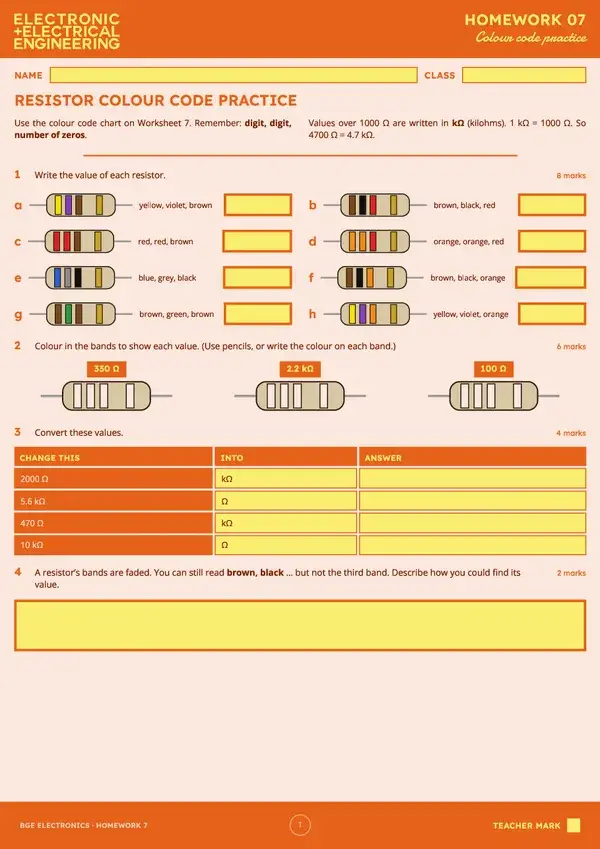
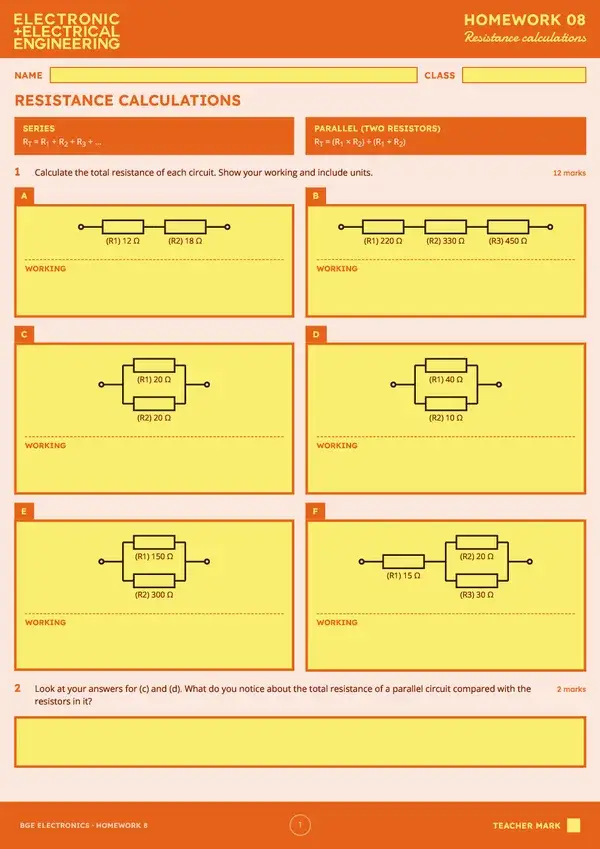
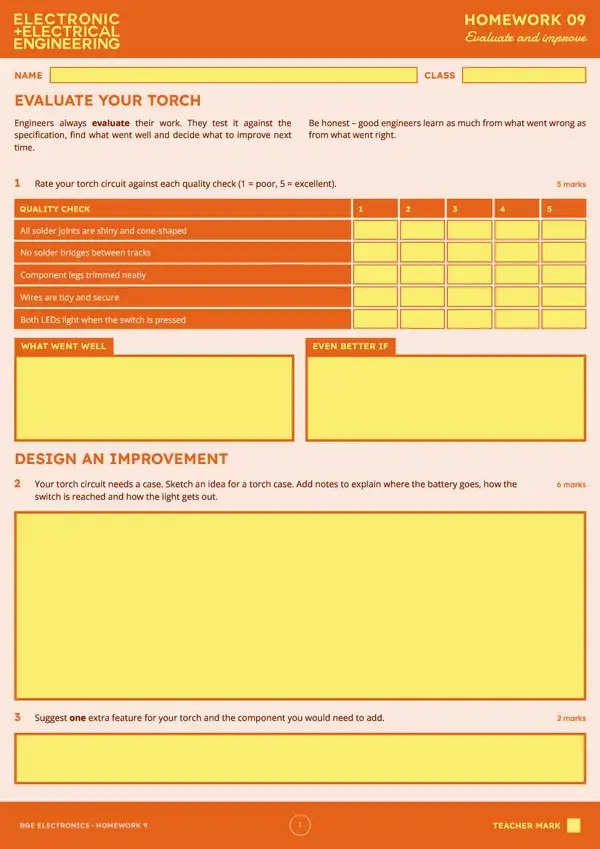
Nine homeworks, one for each topic. Each homework checks what you learned in class and gets you ready for the next lesson.
04Practice and extras
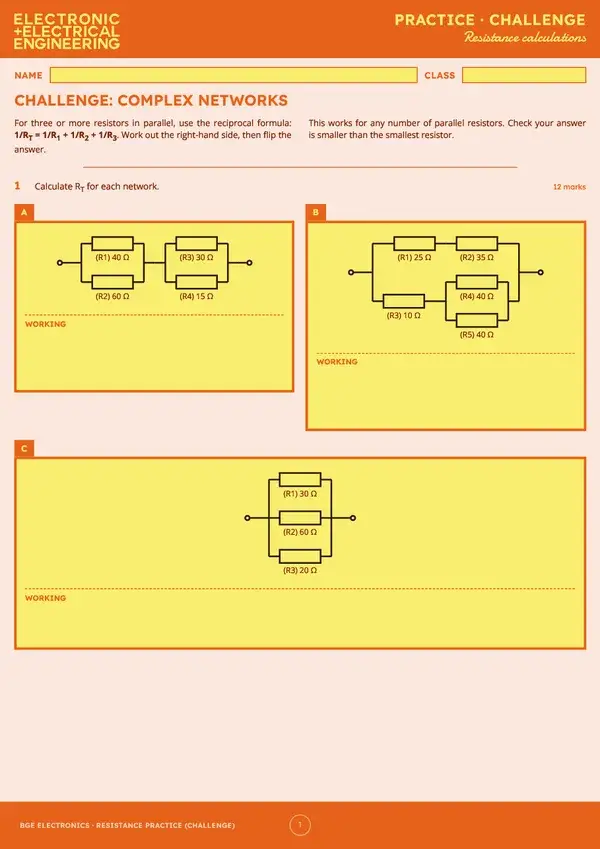
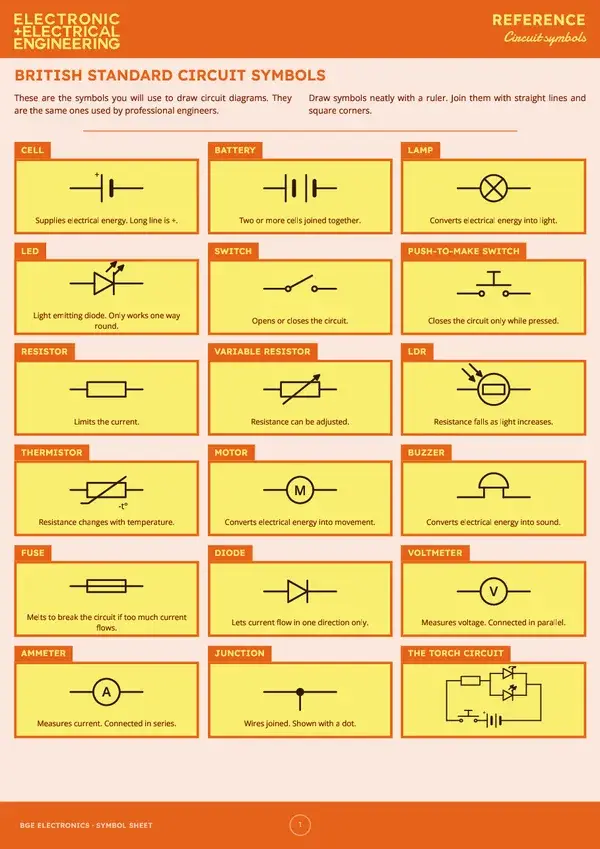
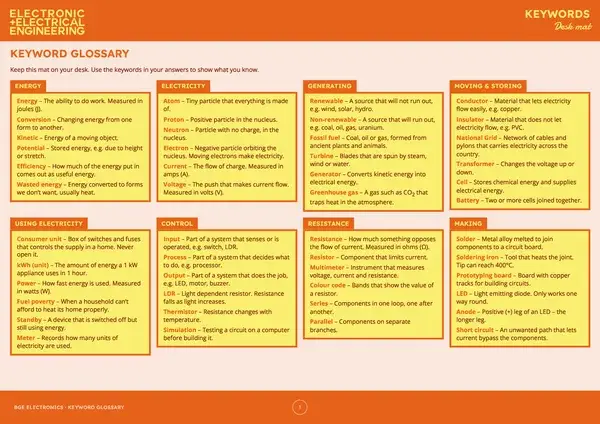
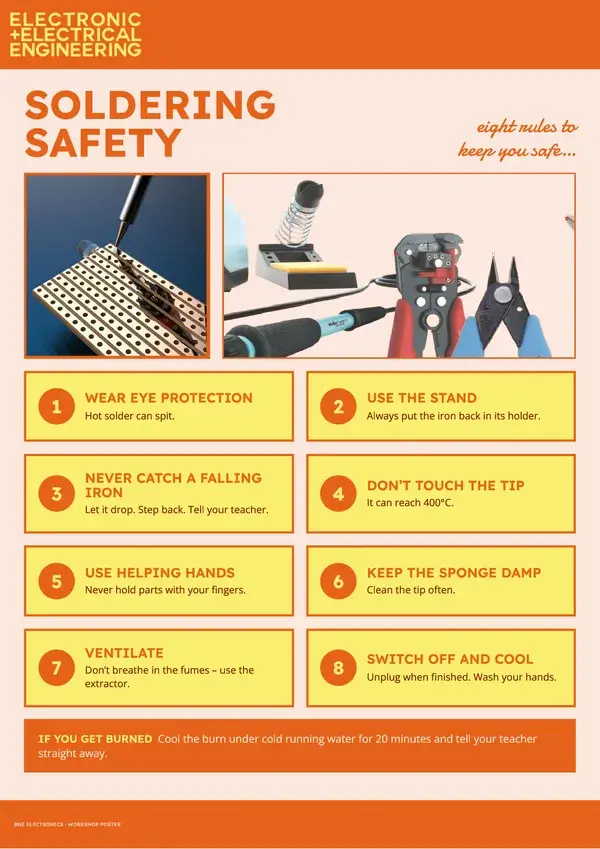
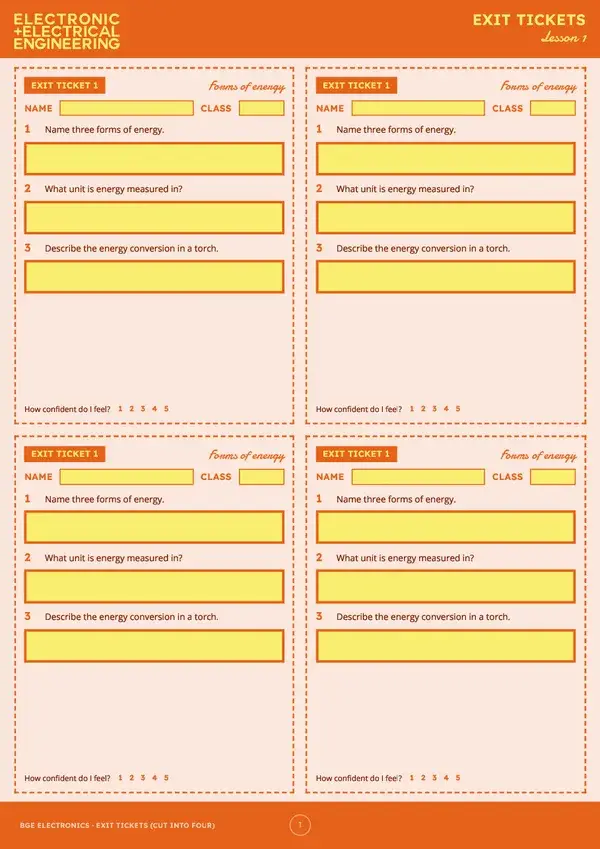
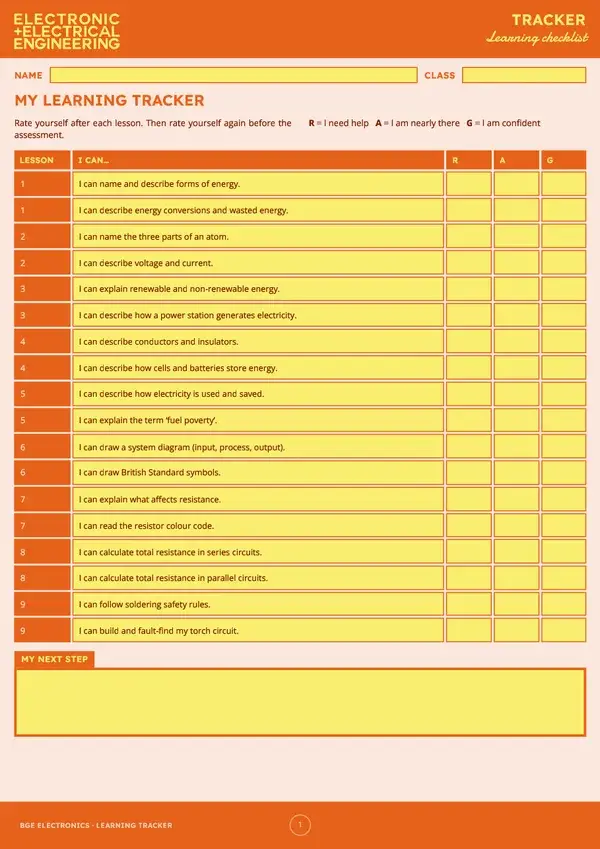
Resistance practice at three levels: Support, Core and Challenge. Pick the level that suits you. The symbols sheet, keyword mat, safety poster, exit tickets and learning tracker help in every lesson.

05What you’ll learn
Electricity powers almost everything you use. Find out where it comes from, how it is stored and controlled, then use your knowledge to build a circuit with LEDs, a resistor and a switch.
01
Forms of energy, atoms, voltage and current, fossil fuels and renewables, and how electricity is generated, transmitted, stored and used.
02
Switches and sensors, British Standard symbols, simulating circuits, resistance and the multimeter, then total resistance in series and parallel circuits.
03
Follow safe soldering rules to fit two LEDs, a resistor and a push switch to a prototyping board, then check your circuit with your teacher.
06For teachers
Nine editable lesson PowerPoints, one per booklet topic, each with a starter quiz, teaching slides, hinge question, task and exit ticket; model answers for every worksheet, homework and resistance practice sheet; and an end-of-unit exam. Teacher resources are part of DesignClass teacher membership, which keeps the site free for pupils.
Teacher membership
Members get the lesson slides, answers, assessments and marking schemes for every DesignClass project, plus early access to new projects. Membership is £5 a month or £50 a year, and it keeps DesignClass free for every pupil in Scotland.
07Keep building
Torch lit? Explore structures, or see where engineering goes next.

01
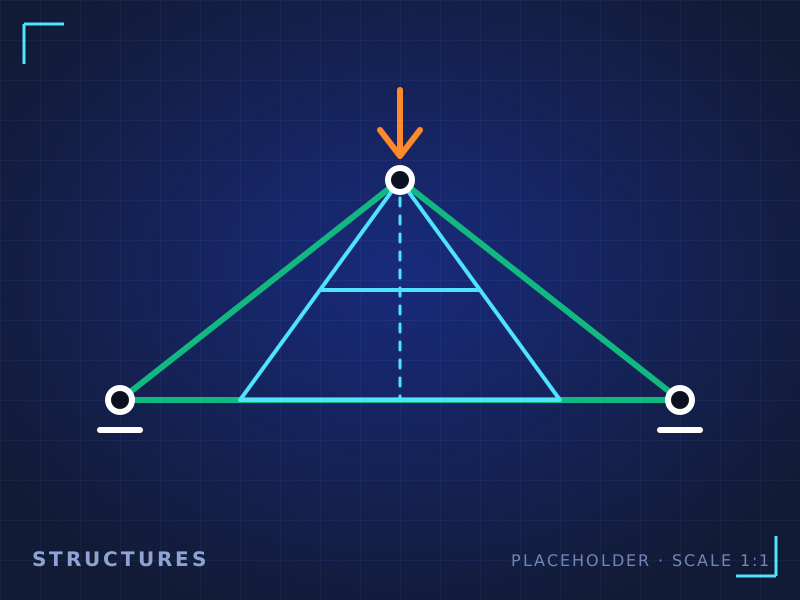
Bridges, forces, frames and moments, and how engineers keep things standing.
Open Structures →
02
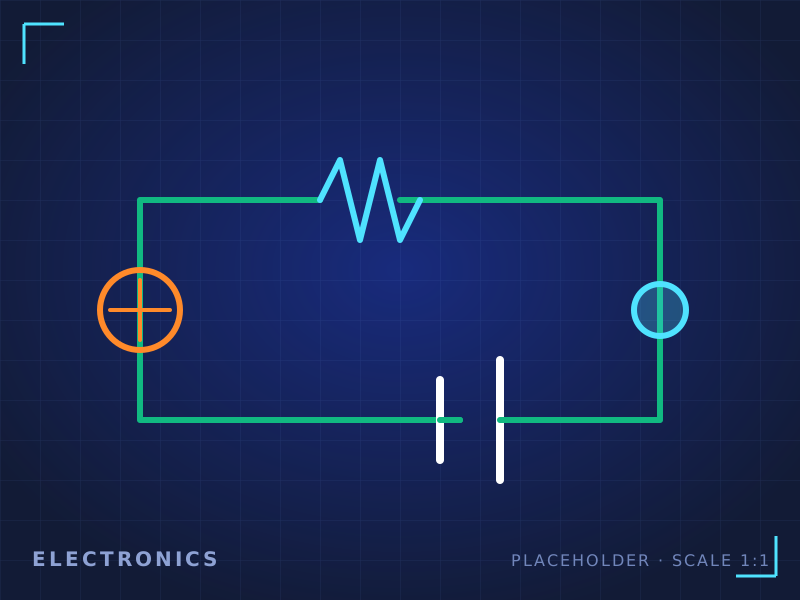
Electronics and control is a key part of National 5. See what comes next.
Open N5 Engineering Science →
←
Structures, electronics, pneumatics and computer control for S1–S3.
Back to BGE Engineering Science →
“Nothing is too wonderful to be true, if it be consistent with the laws of nature.”
Michael Faraday